CWOps Basic Course – Final Review

I’ve been done with the CWOps Basic Course now for a couple of weeks and felt that it was time to post my thoughts on being a participant of the program and what I got out of it.

They offer multiple courses for different skill levels.

  • Beginner (Introduction to CW and learning the characters)
  • Basic (Build head copy skills and on-air QSOs)
  • Intermediate (Recognize words as sounds, increase head copy speed)
  • Advanced (Move rocks with your mind while wearing a Jedi master as a backpack)

Ok, I made that last description up, but you can see the progression from start to finish and Advanced is really about getting that speed up which includes contesting speeds of greater than 30wpm.

Already having spent quite a bit of time learning the characters, I started with the Basics course. This is very much a student driven course. That means that they have developed the program which lasts 8 weeks, and have setup practice routines for every day in-between. It is up to the student to drive their own practice and effort. Students then meet twice weekly as a group with a CWOps Advisor.

Classes are virtual and make use of both audio and video to ensure that everyone is able to interact as necessary. We practice using Farnsworth at 20+wpm and begin at 6wpm spacing, ramping up to 12-14 by the end.

Personally, having a group of like-minded individuals that were coming together at relatively similar skill levels to converse and grow together made a huge difference in my advancement in CW. This honestly surprised me as I tend to be more introverted by nature.

Our advisor was Christopher Barber – WX5CW – and I couldn’t have asked for a better mentor. He is driven for his student’s success, passionate about CW and getting on-air, and a generally great guy. Always available to answer questions, as we progressed in the class he even took time out of his weekends to try and get on the air for practice between sessions.

All that while balancing work and family.

At the start of the program in late-August, I had done a couple of “QSOs” (I use quotes since they were embarrassingly bad on my part and sometimes incomplete).

Having just completed the course, I’ve racked up 30+ QSOs all across the US and have even done one POTA activation. I am operating at 13-14wpm, whereas I was previously stumbling through a QSO at 6-8wpm (if that).

Instead of abject terror when I send a CW, I am incredibly more comfortable copying what I hear and even asking for clarity when I cannot do so (instead of fearing a whole new onslaught of dits and dahs that I won’t understand).

They say that the “proof is in the pudding”:
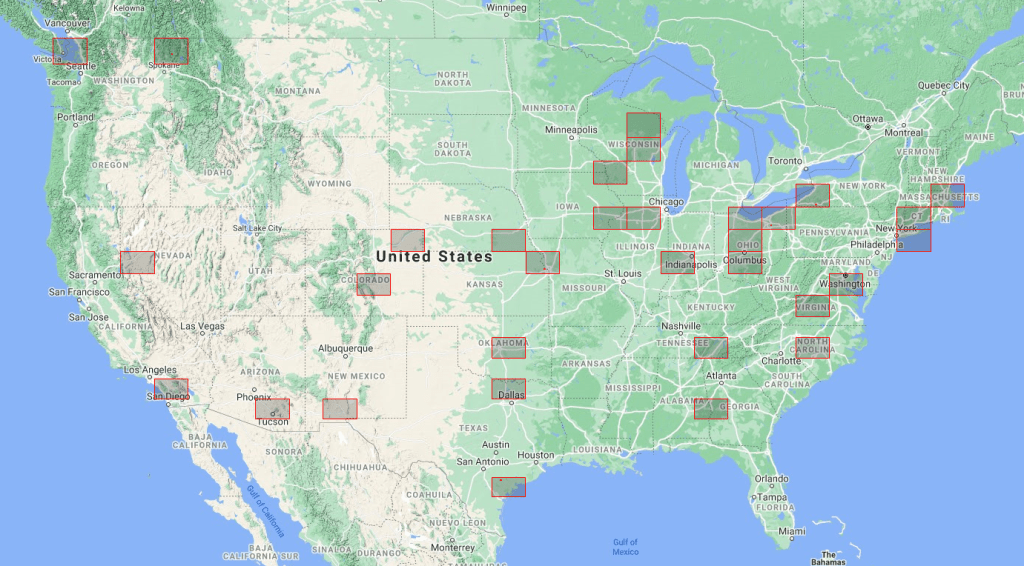
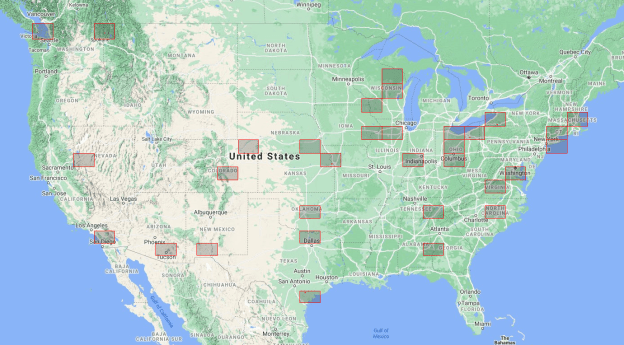
How do you like that pudding? Each grid square is a CW QSO that I’ve done since the start of the class. None of my classmates are included above – all are random on-air QSOs with strangers.

Verdict

In the end, I cannot recommend CWOps courses highly enough. You will get out of it what you put in, but I believe that for any skill level they have a well thought out course and anyone looking to become more proficient in CW would benefit in some way.

Classes run three times each year, and you can sign up at their registration page.

I’m signing up for the Intermediate course if that tells you anything.
First Time POTA Activation (for real this time)

After last weekend’s failure to activate Afton State Park (K-2466), I decided to take my learnings and head back out to the park.

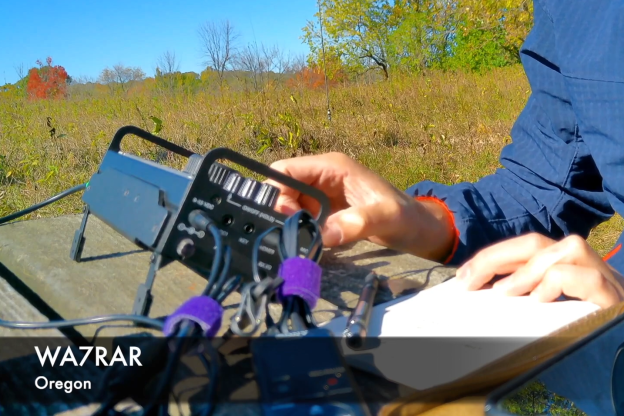
This time I chose to record the session so that I could go back and review. As a new CW operator, this is invaluable and I’ve done it at home with just an audio recorder to check my progress and blind spots – I highly recommend doing so.

I chose 20 meters and had 10 contacts within about 30 minutes of being setup.

Anyway, here is the video:

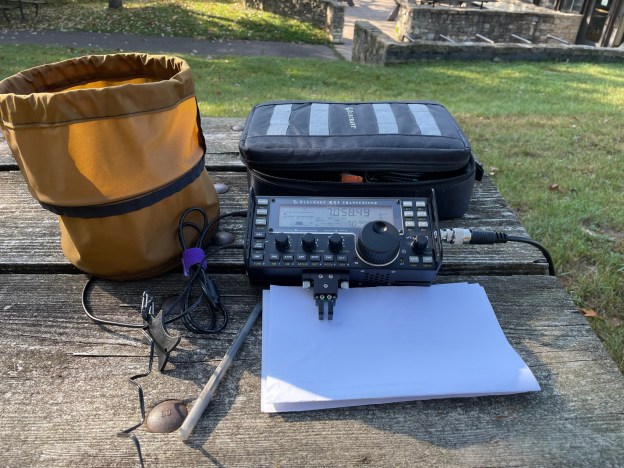
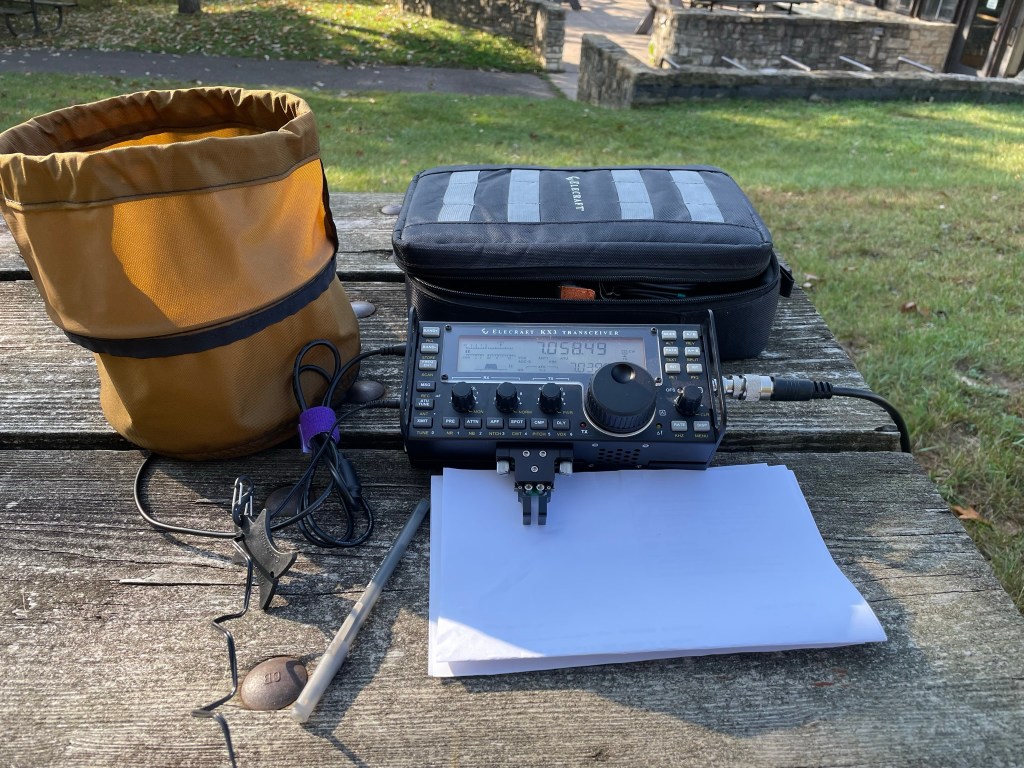
For reference, here is what I took with me:

  • Elecraft KX3
  • Chameleon Antenna MPAS Lite w/coax and necessary BNC adapter
  • Elecraft KXPD3 Paddle
  • Bioenno 4.5Ah Lithium Iron Phosphate Battery (overkill for what the KX3 draws)
  • Sony ICD-UX570 Audio Recorder
  • Pencil and Paper for recording QSOs
  • iPhone 12 for POTA spotting, RBN, etc.
  • Goruck GR1 for hauling everything
  • Elecraft AX1 as a backup antenna

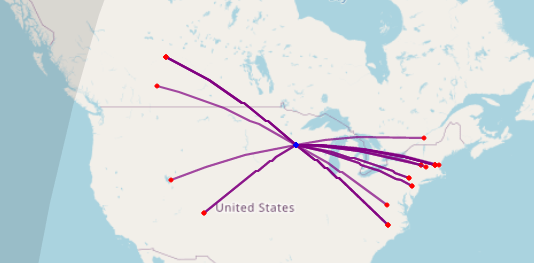
Here is what RBN saw on 20m:

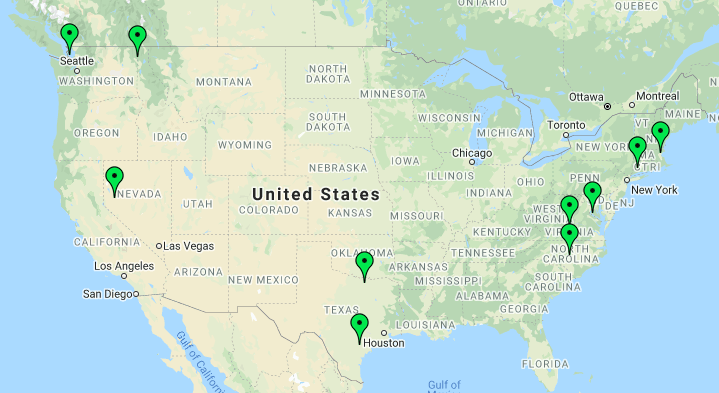
And here is a map of the QSOs I logged on 20m:

A great day in a beautiful part of my home state in all the glory of fall colors.

First Time POTA – sort of….

I just completed the CWOps Basic Course and decided to take my new and improved CW skills (or lack thereof) to the field

Afton State Park (K-2466) is the closest state park in my part of the Twin Cities suburbs, so I packed up my KX3 and Wolf River Coils vertical and headed out the door this morning.

A beautiful early fall day awaited me along the St. Croix river which forms the border between Minnesota and Wisconsin.

After arriving, I quickly setup my Wolf River Coils antenna which had already been tuned from earlier use for 40m. This was mistake number 1 – knowing that 40m is not particularly great for mornings, I chose convenience over propagation.

Live and learn.

I setup the radio on a park bench close to the pavilion and restrooms area in the above picture. Being fall, I had to first cleanup the walnut husks the local squirrels dissected and left everywhere. Without thinking I sat down on the bench and didn’t think about the walnut oils which make excellent stains.

Mistake number 2.

I only called CQ for a couple of minutes before I had my first contact – KA0WKG gave me a 579 in Colorado. I started to think that maybe 40m wouldn’t be too bad today and I might get this activation done in no time.

Mistake number 3.

It was another 30 minutes of calling CQ before I landed another QSO. I did have one station come in between the first and second, but after giving a signal report they mysteriously vanished with no report back to me, so I’m not counting that one.

K9IS in next-door Wisconsin came in with a 559.

Another 20 minutes before my third and final completed QSO for the morning happened, with K0NIA in Iowa (also next door) providing a crisp 599.

With time running out for me today, I packed up and headed down the road towards home. Activated or not, it was a great day to get out of the house among the trees while still enjoying a great hobby.

Wolf River Coils 80-10m Vertical

So lessons learned:

  • Be ready and willing to change bands in order to match the conditions. This is obvious and something that I recognized at the start, but chose convenience instead – especially after getting the first QSO in short order.
  • A longer wire antenna or even a taller vertical might have increased my ability to both get out and be heard. RBN wasn’t showing great propagation for me – even at full output on the KX3.
  • Watch where you sit 😦

Get out and get on the air!

Chameleon TDL SWR

I recently had been looking at other quick to deploy antenna options for POTA and general camping activities. Not looking for anything ultralight (I’ve got some resonant dipoles that hit that mark), and having really been impressed with the quality of the Chameleon MPAS Lite and EMCOMM III Portable, I naturally looked at their other offerings.

I was drawn to the concept of the Delta Loop antenna, so I begun looking at the Tactical Delta Loop (TDL) that they offer. I was not, however, in a hurry to drop the cash for yet another expensive antenna system, not matter how great and high quality it is.

I want my wife to want me still….

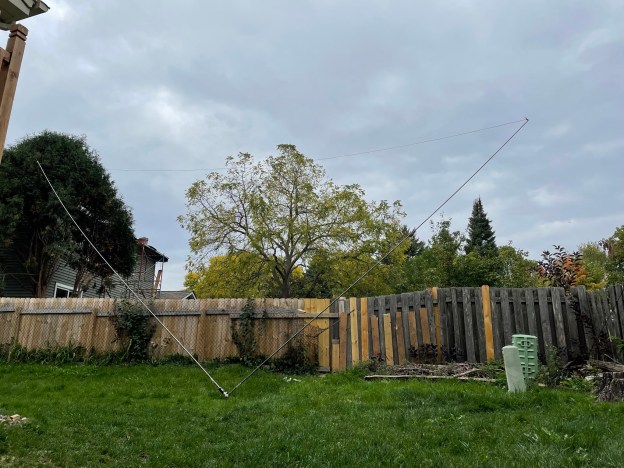
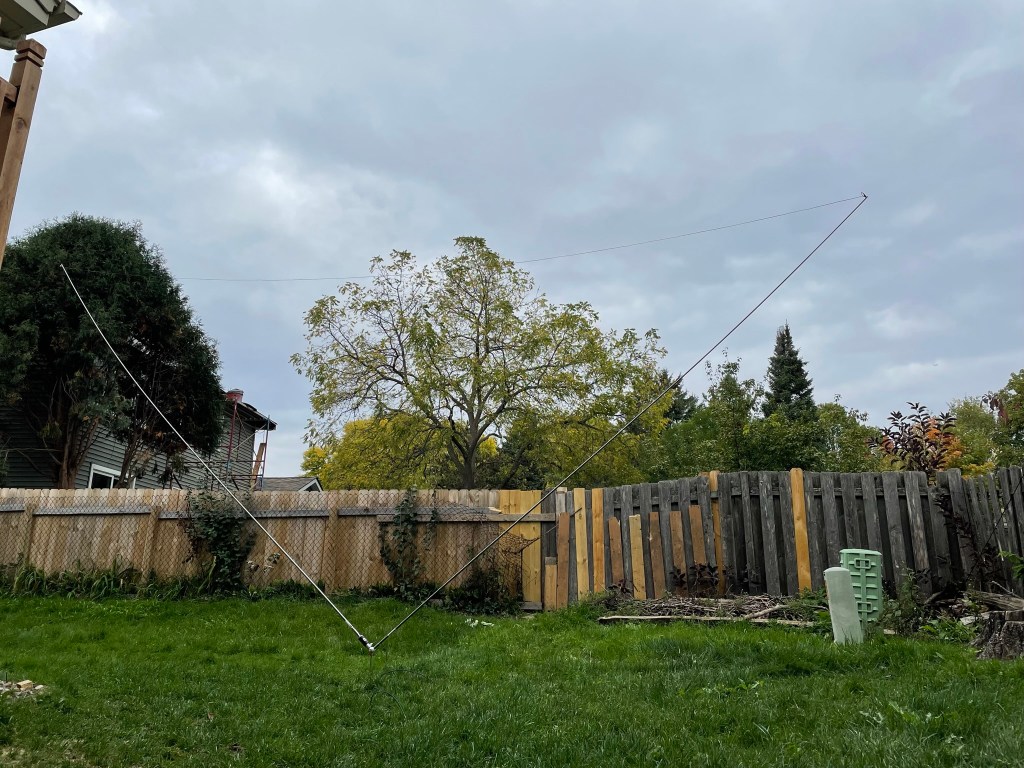
It then dawned on me that you can assemble a TDL from the MPAS Lite if you acquire the CHA HUB Kit and another 17′ whip.

At less than half the price of the CHA TDL itself, and giving myself even more deployment options for this system when combined with the MPAS Lite, I went ahead and ordered the two add-ons which arrived yesterday.

That gives me multiple setup options; vertical, inverted-V, inverted-L, delta loop, sloper, horizontal – all from a single system that is extremely robust.

Setup was straight forward and quick. No throwing arborist lines into trees. Just attach the components to the spike in the ground and go.

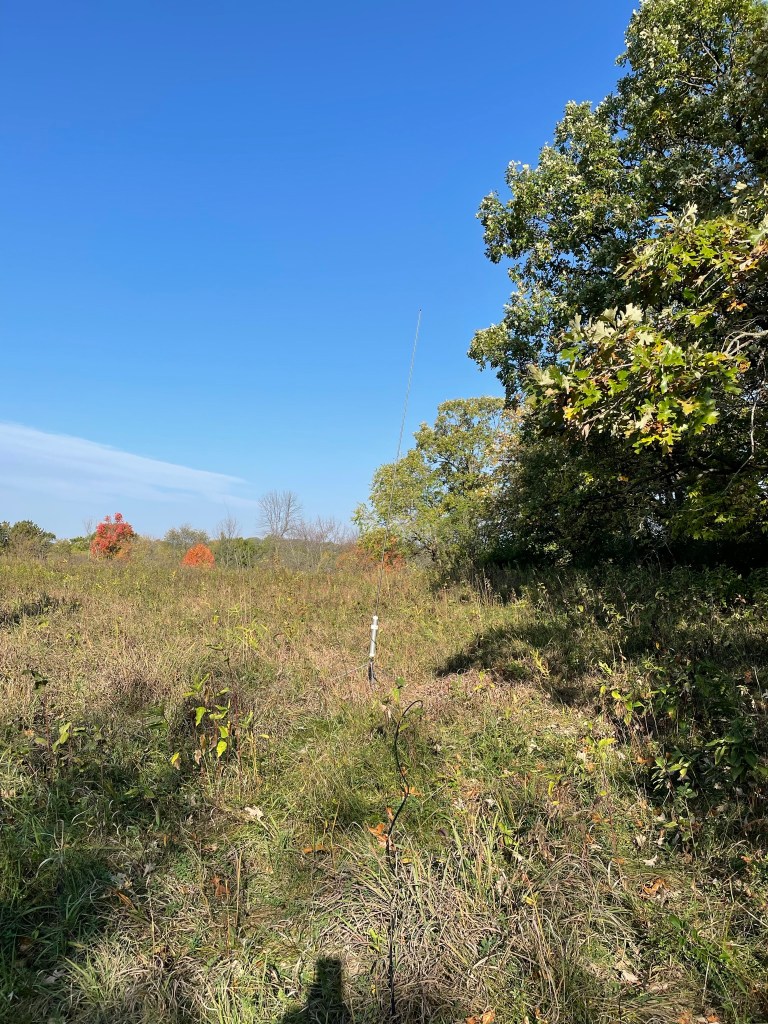
Not the most ideal location – please ignore the neighbor’s patch-worked fence – actual on air testing will be done in an open field

I have not had it long enough to do any sort of actual propagation testing and on-air checks, but I did do a quick setup and SWR analysis using my Rig Expert AA-35 Zoom.

SWR is a bit high for 80m (well, not with a matchbox and not high enough that it would cause any real issues), however for 40/20/15/12 it is less than 2:1, and 10m spans between 1.8:1 to 2.21:1.

Not bad! Not bad at all. And with deployment being less that 5 minutes from unpacking to wired up to my radio, I’m excited to put it through its paces.

Look for a follow up with WSPR reports, on-air CW contacts for QRP/QRO, and more!