After last weekend’s failure to activate Afton State Park (K-2466), I decided to take my learnings and head back out to the park.
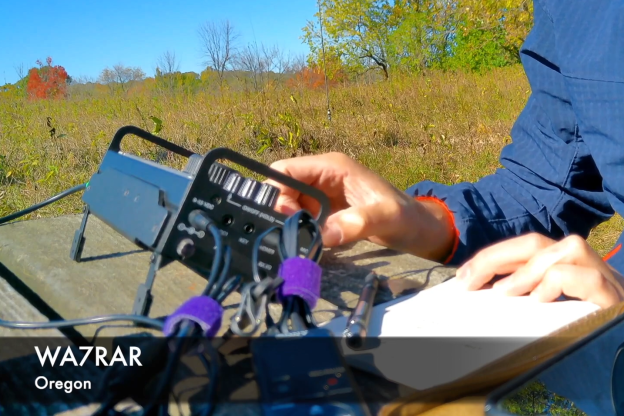
This time I chose to record the session so that I could go back and review. As a new CW operator, this is invaluable and I’ve done it at home with just an audio recorder to check my progress and blind spots – I highly recommend doing so.
I chose 20 meters and had 10 contacts within about 30 minutes of being setup.
Anyway, here is the video:
For reference, here is what I took with me:
Elecraft KX3
Chameleon Antenna MPAS Lite w/coax and necessary BNC adapter
Elecraft KXPD3 Paddle
Bioenno 4.5Ah Lithium Iron Phosphate Battery (overkill for what the KX3 draws)
Sony ICD-UX570 Audio Recorder
Pencil and Paper for recording QSOs
iPhone 12 for POTA spotting, RBN, etc.
Goruck GR1 for hauling everything
Elecraft AX1 as a backup antenna
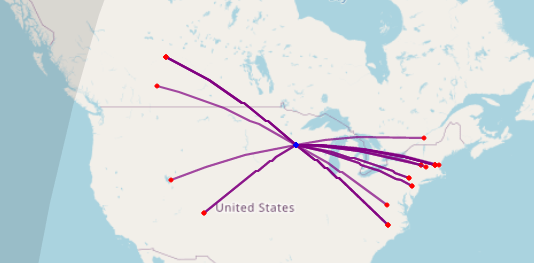
Here is what RBN saw on 20m:
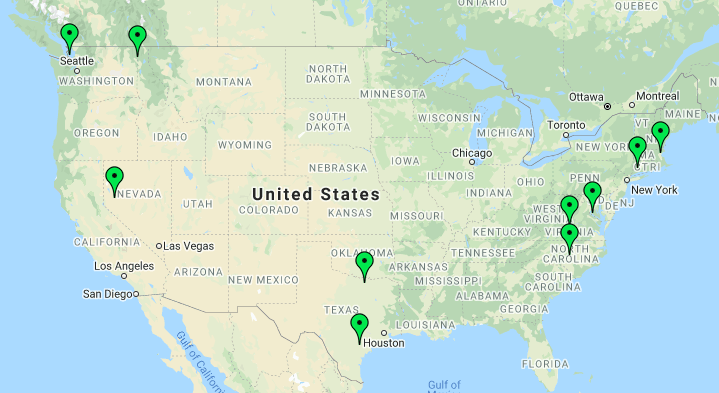
And here is a map of the QSOs I logged on 20m:
A great day in a beautiful part of my home state in all the glory of fall colors.
Using a Rig Expert AA-35 Zoom and the antScope 2 software, I ran through a few scenarios that I’m posting here for my reference and yours.
The antenna was setup in my backyard in a vertical configuration. I unspooled exactly 25 feet of counterpoise per the manual (marked with electrical tape for repeatability), laying it on the ground.
The entire length of the included coax was also unrolled and laid out on the ground. I did note initial higher SWR readings with it coiled and with a shorter length between the antenna and the analyzer.
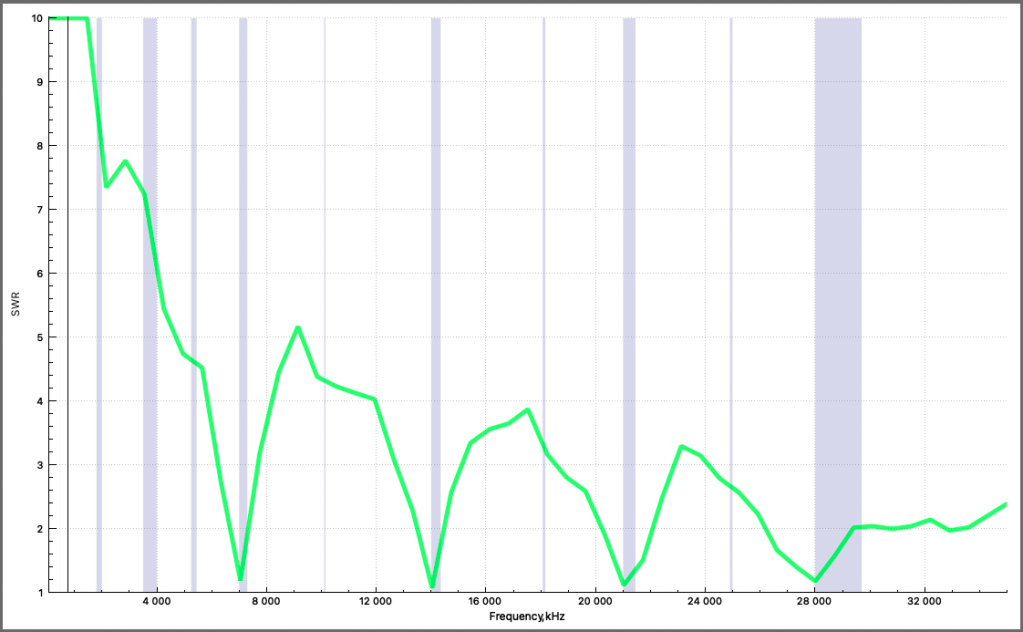
Let’s start with a full range reading. This is the end to end range that the AA-25 Zoom can handle, which is 60kHz to 35MHz.
The vertical bands represent the US amateur radio bands from 160m – 10m
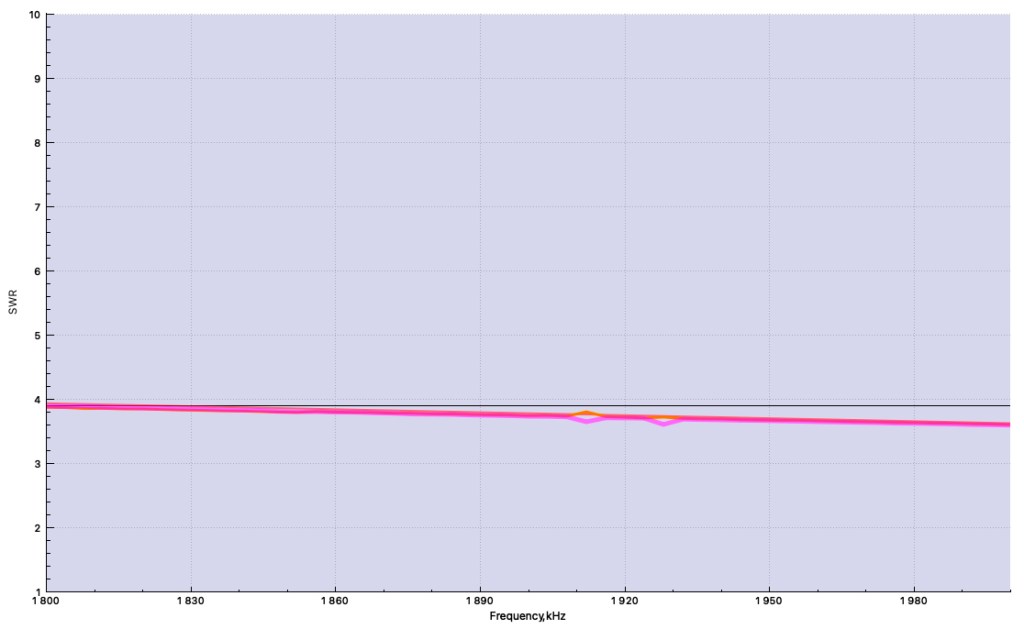
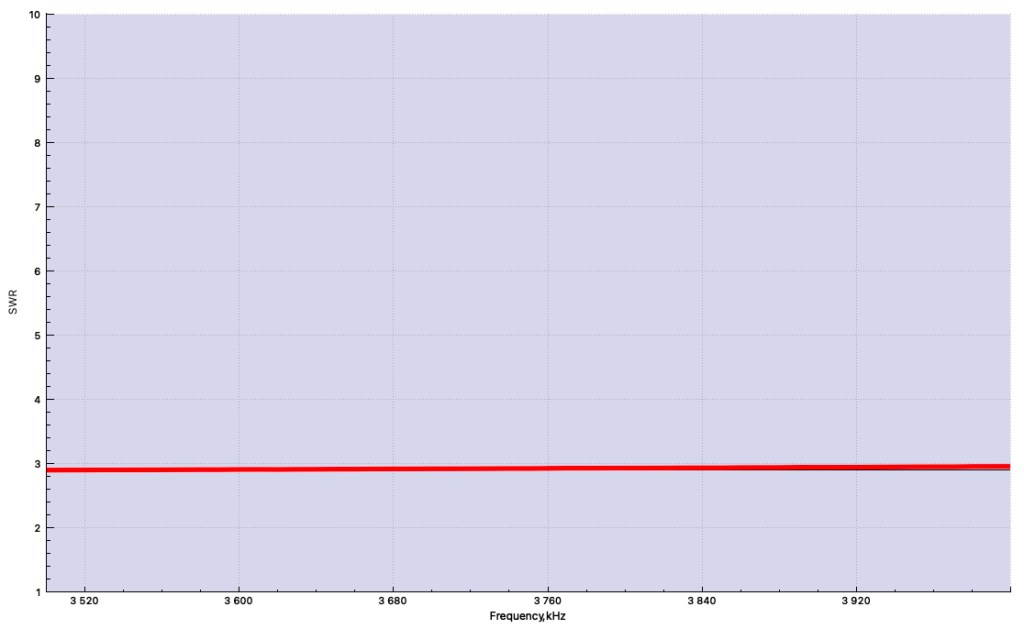
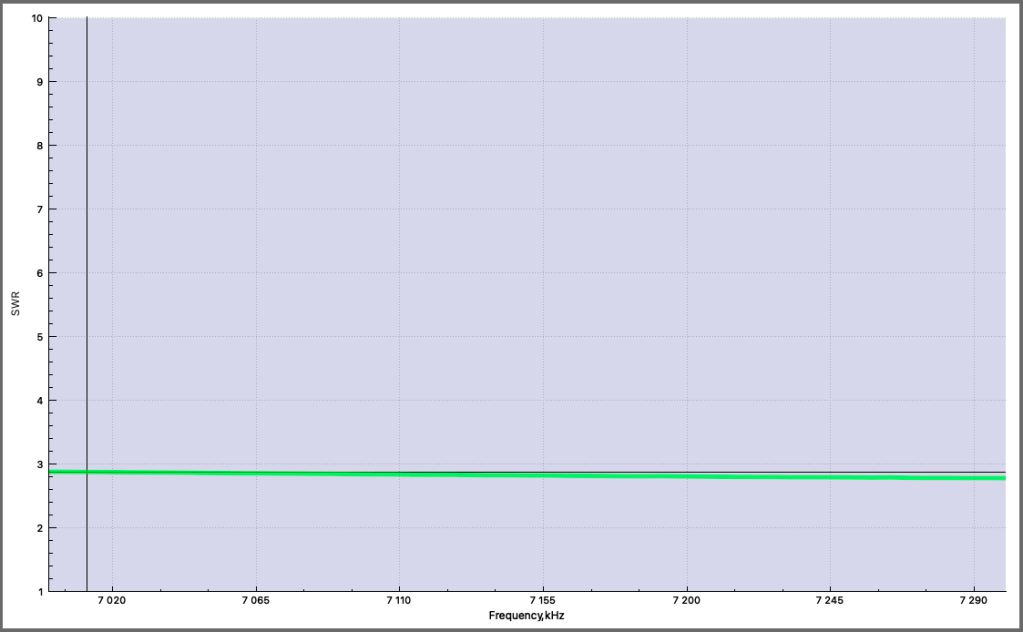
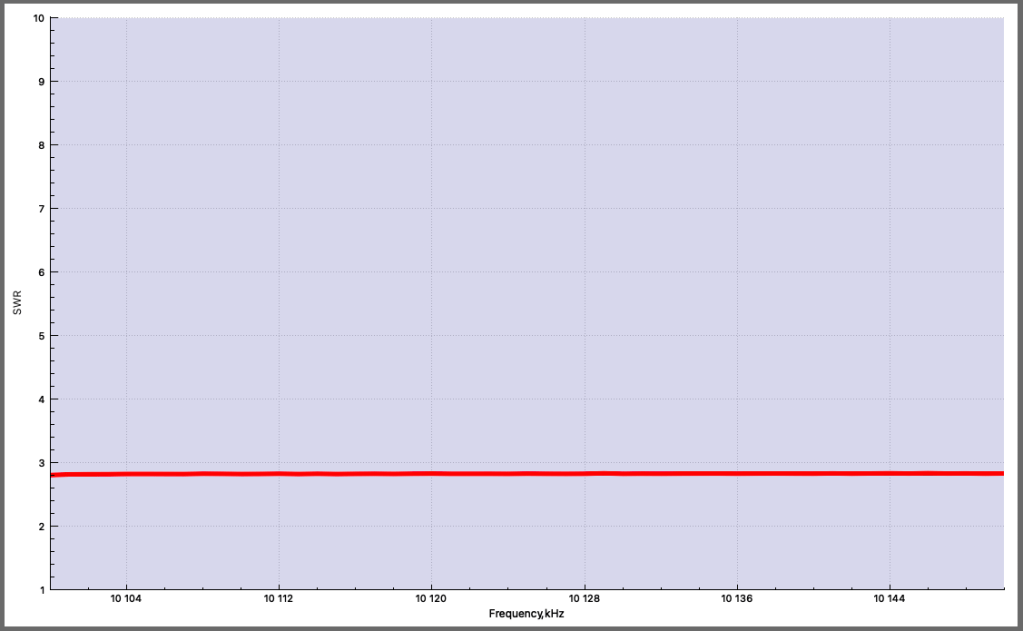
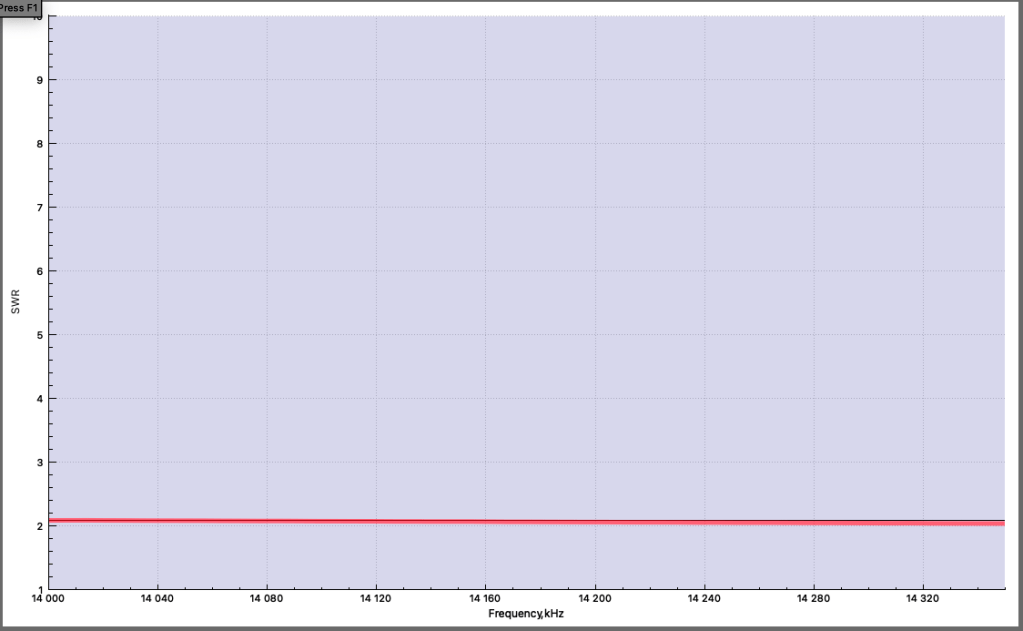
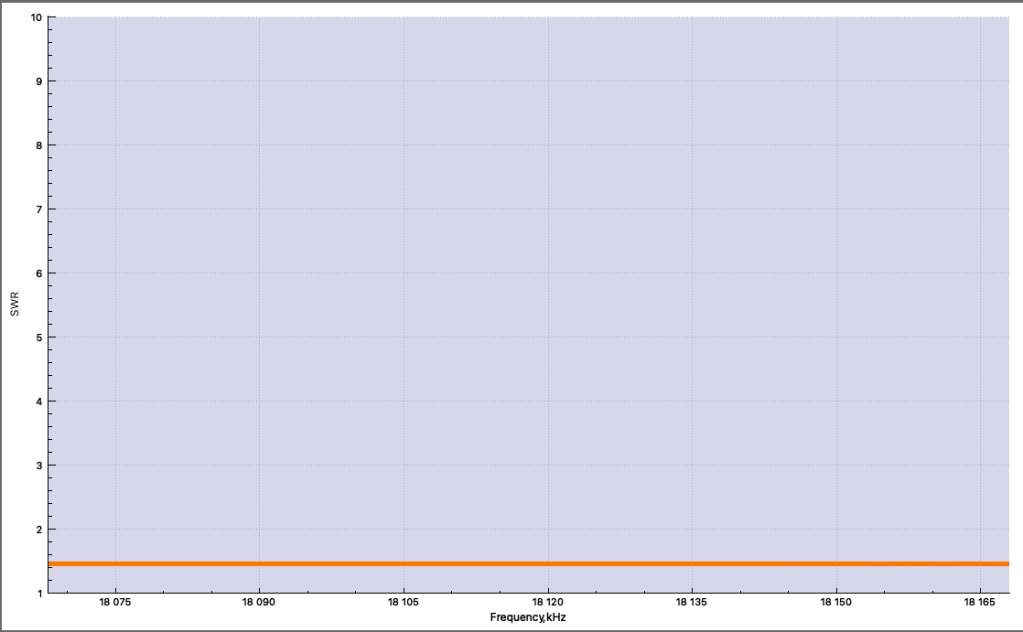
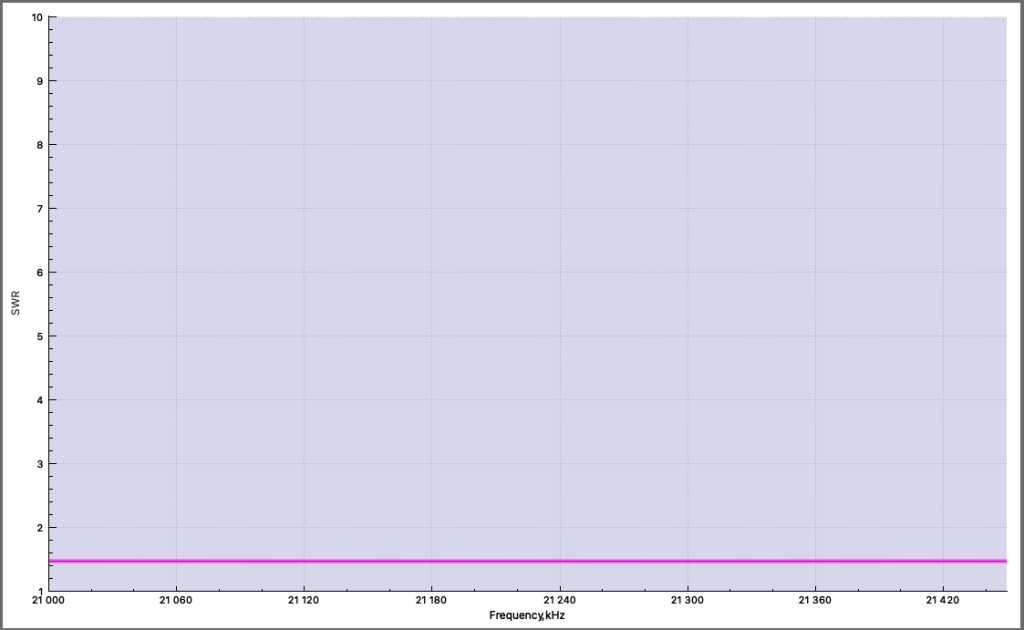
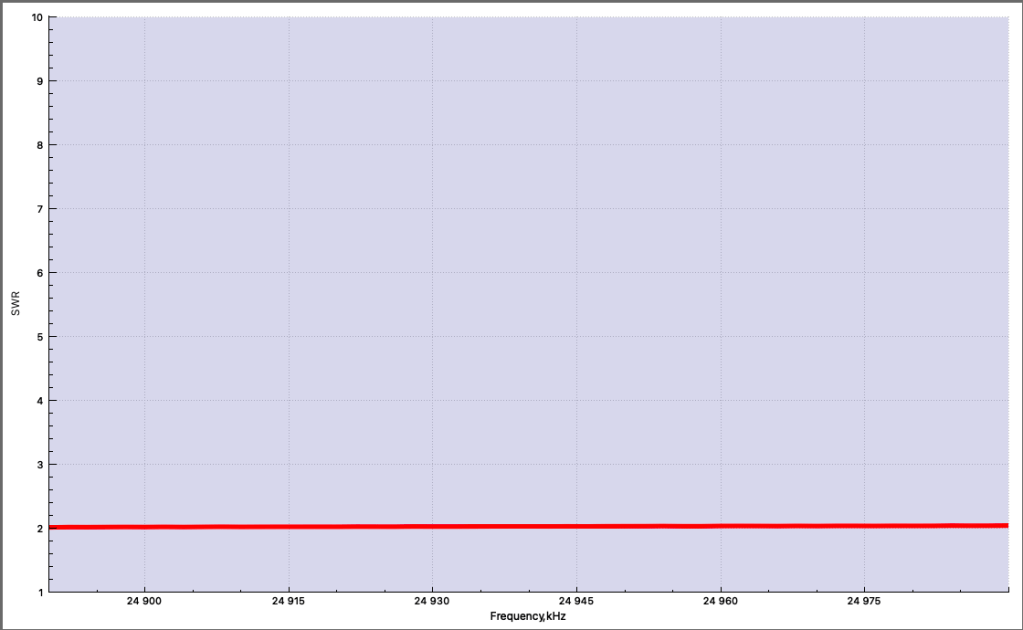
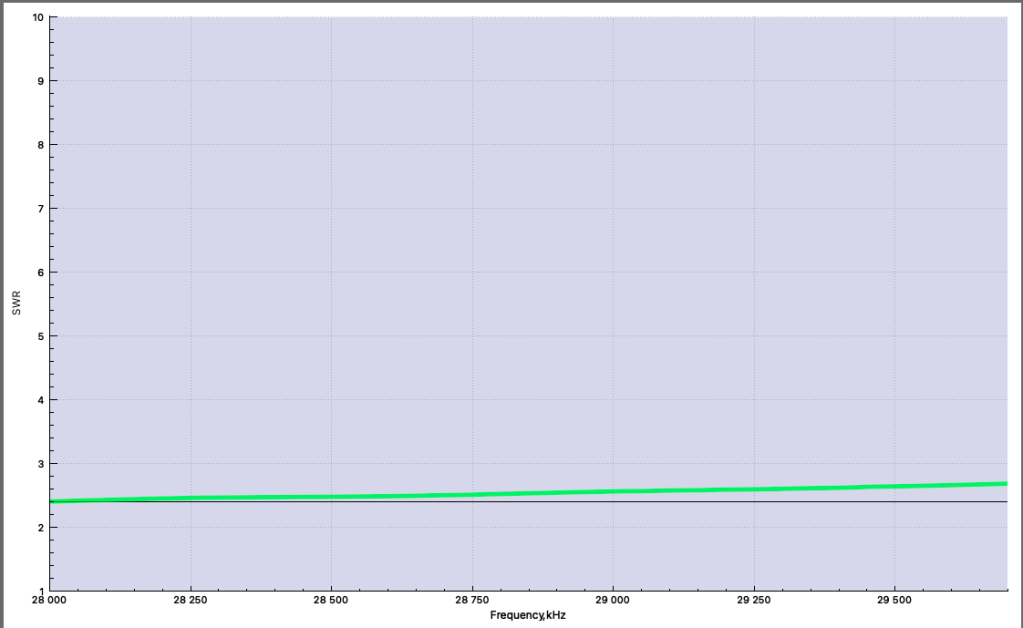
We can then run through each band, one by one, zooming in on the SWR ranges that the analyzer reports. Note the wide portion of each band that is covered by the SWR regardless of it being >= 1.5. We do not see large dips that start and end with the band edges.
160m
The overlapping colors represent multiple runs that I did on this band, playing with the placement of the counterpoise wire
80m
40m
30m
20m
17m
15m
12m
10m
Confusion
Upon getting the band by band results, I started scratching my head because the SWR readings that I was getting was different than what Chameleon reports in their user manual.
In some cases better, in others worse.
I decided to then run the AA-35 Zoom against my Hustler 4BTV Vertical antenna which I have for my permanent antenna installation at home.
Hustler 4BTV analysis for comparison
Everything lines up exactly like I expected for the 40/20/15/10 meter portions, so I am chalking up my CHA MPAS Lite readings to one of two things; environmental factors such as location, etc., or difference in meters being used from Chameleon and myself.
In either case, Chameleon does state in their user manual that:
The CHA MPAS Lite requires a wide range antenna tuner or coupler on some bands…
Page 3 of User Manual
In other words, this is not a resonant dipole that you hang in a tree and then go – it is a toolbox sort of antenna that performs quite well across multiple amateur bands, but requires some tuning depending on what band you’re using.
Conclusion
For reference, here is what they published for SWRs in a vertical configuration vs what I got, with green and red representing better or worse than advertised respectively:
Frequency
Chameleon’s SWR
KD0HBU’s SWR
1.9
4.5
3.7
3.7
3.3
2.9
7.1
2.0
2.8
10.1
1.8
2.8
14.1
1.7
2.1
18.1
1.2
1.5
21.1
1.2
1.5
24.9
1.6
2.2
28.5
2.0
2.6
There are a lot of variables that can affect an antenna and this is just a snapshot of one deployment in one area using one analyzer. I do intend to try the same deployment with my nano-VNA to see how the two compare.
If anyone knows what I should try different to improve on the above, please let me know in the comments.


 kd0hbu